

Healthy, thick hair is something many of us strive for, and natural remedies have become increasingly popular in hair care routines. Among them, rosemary has earned a reputation as one of the most talked-about ingredients for promoting healthier-looking hair. But when it comes to rosemary water vs. rosemary oil, which one is actually better for hair growth?
While both are derived from the same herb, they differ in strength, benefits, and the way they should be used. Understanding these differences can help you choose the right option for your hair type and concerns.
Why Is Rosemary So Popular for Hair Care?
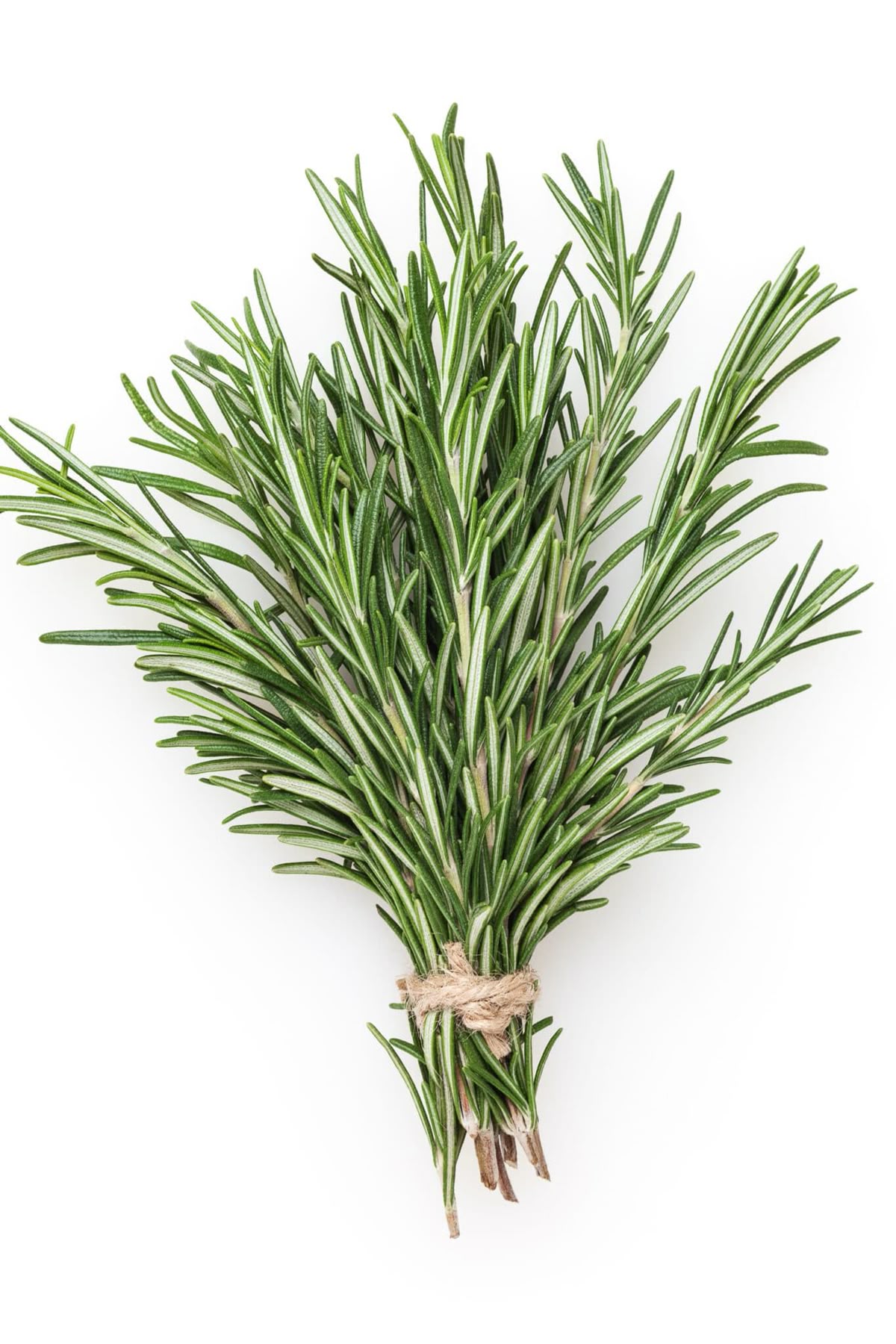
Rosemary contains natural antioxidants and plant compounds that may support a healthy scalp. Some research suggests rosemary oil may help improve blood circulation to the scalp and support healthier hair growth over time. It is also known for its soothing and antimicrobial properties, making it a popular ingredient in natural hair care.
Although rosemary can support overall scalp health, it’s important to remember that results vary from person to person, and no natural remedy offers overnight results.
What Is Rosemary Water?
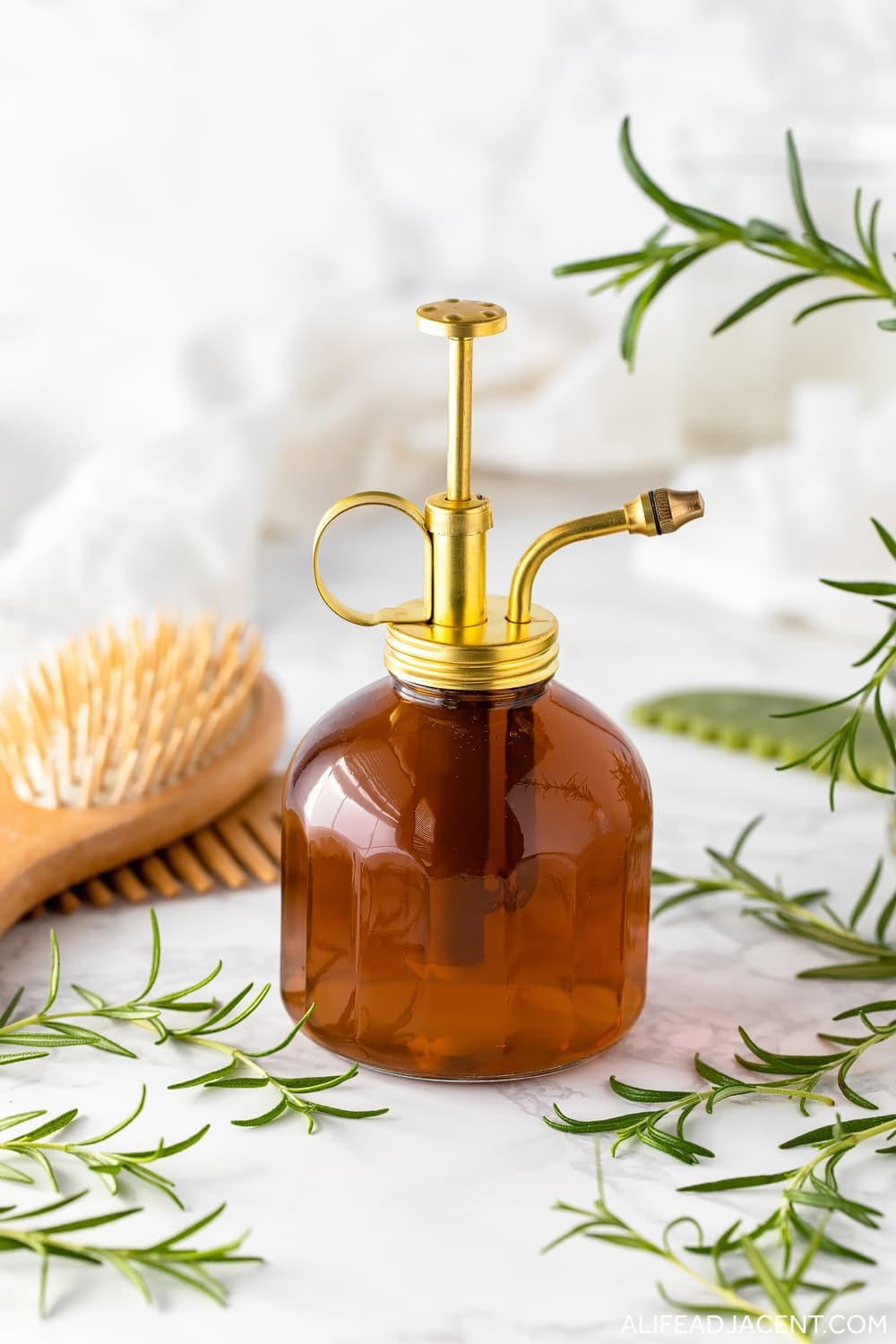
Rosemary water is made by steeping fresh or dried rosemary leaves in hot water. It is lightweight, refreshing, and easy to use as part of a daily hair care routine.
Benefits of Rosemary Water
- Refreshes the scalp
- Helps reduce oil buildup
- Adds natural shine
- Leaves hair feeling fresh
- Suitable for frequent use
- Lightweight for fine or oily hair
Best For
- Oily scalp
- Fine hair
- Daily scalp care
- People looking for a simple natural hair rinse
How to Use Rosemary Water
After shampooing, spray rosemary water directly onto your scalp and hair. Gently massage it into the scalp and leave it in without rinsing. It can also be used between wash days to refresh the scalp.
What Is Rosemary Oil?

Rosemary essential oil is a highly concentrated extract obtained from rosemary leaves. Because it is very potent, it should always be diluted with a carrier oil such as coconut, jojoba, almond, or argan oil before applying it to the scalp.
Benefits of Rosemary Oil
- Supports a healthy scalp
- Helps nourish hair follicles
- Reduces scalp dryness
- Adds moisture to the scalp
- May help reduce hair breakage
- Ideal for scalp massage
Best For
- Dry scalp
- Dry or damaged hair
- Hair thinning concerns
- Weekly scalp treatments
How to Use Rosemary Oil Safely
Mix 2–3 drops of rosemary essential oil with one tablespoon of a carrier oil. Massage the mixture into your scalp for five to ten minutes and leave it on for at least 30 minutes before washing your hair.
Never apply undiluted rosemary essential oil directly to your scalp, as it may cause irritation.
Rosemary Water vs. Rosemary Oil
| Feature | Rosemary Water | Rosemary Oil |
|---|---|---|
| Texture | Lightweight | Rich and concentrated |
| Frequency | Daily | 1–3 times per week |
| Best For | Oily or fine hair | Dry scalp and damaged hair |
| Moisturizing | Low | High |
| Scalp Massage | Limited | Excellent |
| Easy to Make | Yes | Usually purchased as an essential oil |
Which One Is Better for Hair Growth?
There isn’t a single answer because the better choice depends on your hair type and routine.
Choose rosemary water if you:
- Have an oily scalp
- Prefer lightweight hair care
- Want something you can use every day
- Need a refreshing scalp mist
Choose rosemary oil if you:
- Have a dry or flaky scalp
- Want a nourishing scalp massage
- Are dealing with hair thinning or breakage
- Don’t mind using an oil treatment once or twice a week
For many people, using both can be an effective approach. Rosemary water keeps the scalp feeling fresh between washes, while rosemary oil provides a deeper conditioning treatment.
Tips to Maximize Healthy Hair Growth
No single product can transform your hair overnight. Healthy hair depends on consistent care and overall wellness.
For the best results:
- Eat a balanced diet rich in protein, iron, zinc, and vitamins.
- Avoid excessive heat styling.
- Massage your scalp regularly.
- Trim split ends every few months.
- Stay hydrated.
- Manage stress.
- Use a gentle shampoo suitable for your scalp type.
Are There Any Side Effects?
Rosemary is generally well tolerated when used correctly, but some people may experience irritation or sensitivity.
Before using rosemary oil or rosemary water:
- Perform a patch test.
- Stop using the product if irritation develops.
- Avoid contact with the eyes.
- If you’re pregnant, breastfeeding, or have a medical condition, consult your healthcare provider before using essential oils.
Final Thoughts
Both rosemary water and rosemary oil can be valuable additions to a healthy hair care routine. Rosemary water is ideal for daily freshness and lightweight scalp care, while rosemary oil offers a more intensive treatment that nourishes the scalp and hair.
The key to seeing healthier-looking hair is consistency. Combined with a balanced lifestyle and gentle hair care practices, rosemary can help support a healthier scalp—the foundation for stronger, shinier hair over time.