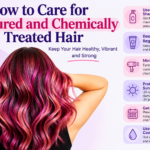
Chemical hair treatments such as keratin, smoothening, rebonding and hair colouring can give your hair a beautiful appearance. However, without proper aftercare, chemically treated hair may become dry, frizzy and prone to breakage.
Understanding how to care for hair after chemical treatment can help you maintain smoothness, improve manageability and protect your hair from further damage.
In this guide, Hera Grace shares essential hair care tips to help you maintain healthy-looking, soft and shiny hair after a chemical treatment.
Why Is Hair Care Important After Chemical Treatment?
Chemical treatments can change the structure or surface of your hair, depending on the process used. Some treatments can weaken the hair fibre, making it more vulnerable to dryness, tangling and breakage.
Following a suitable hair care routine after chemical treatment helps minimise further damage and maintain the appearance of your hair.
1. Use a Gentle Shampoo for Chemically Treated Hair
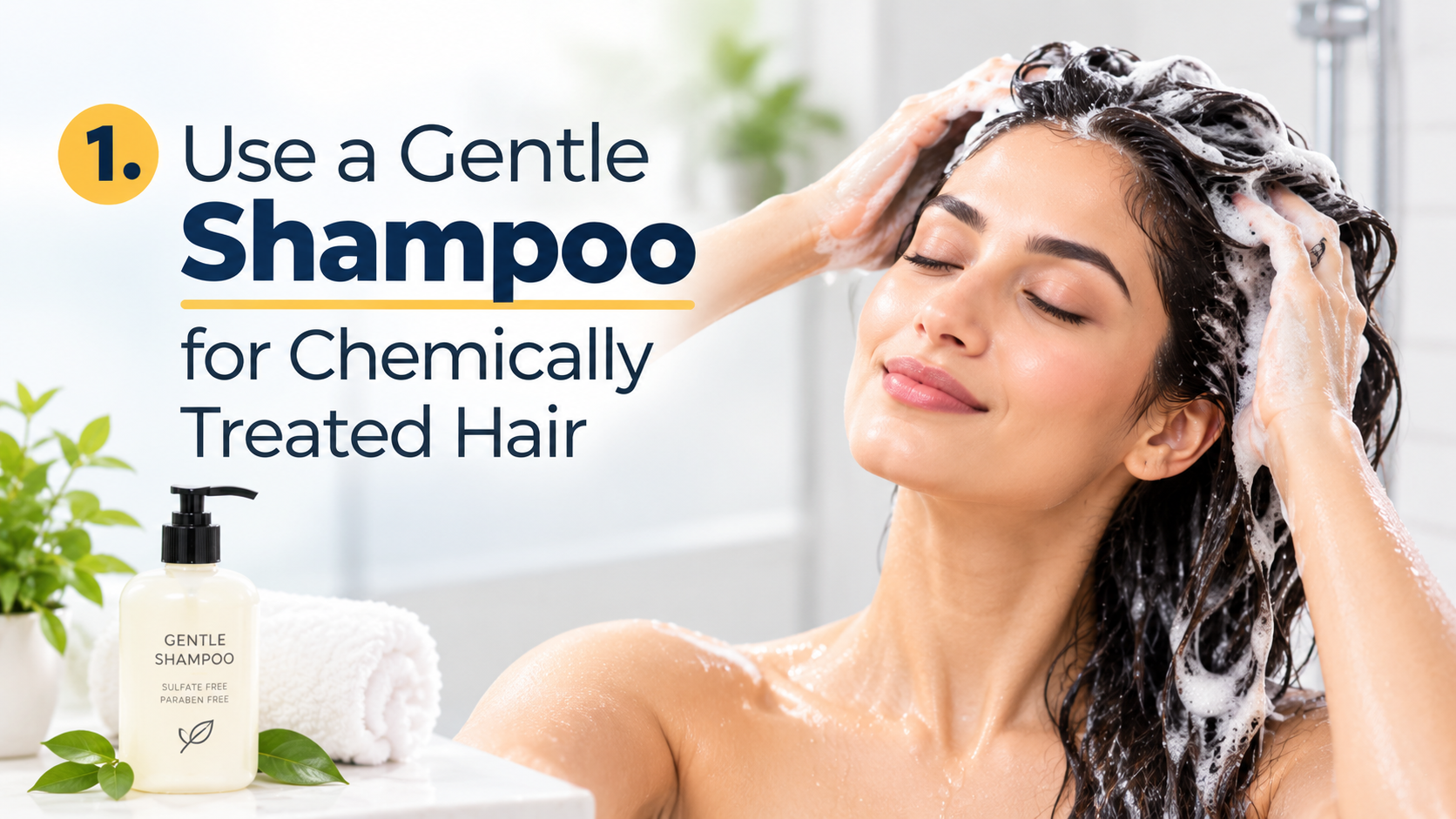
Choosing the right shampoo is one of the most important steps in caring for chemically treated hair. Harsh cleansing products may leave dry hair feeling rough or stripped of moisture.
Choose a gentle shampoo that suits your scalp and treatment. A sulphate-free shampoo may be suitable for some treatments, but always check your stylist’s recommendations and the manufacturer’s instructions.
Avoid washing your hair with very hot water, as this can contribute to dryness.
2. Condition Your Hair After Every Wash
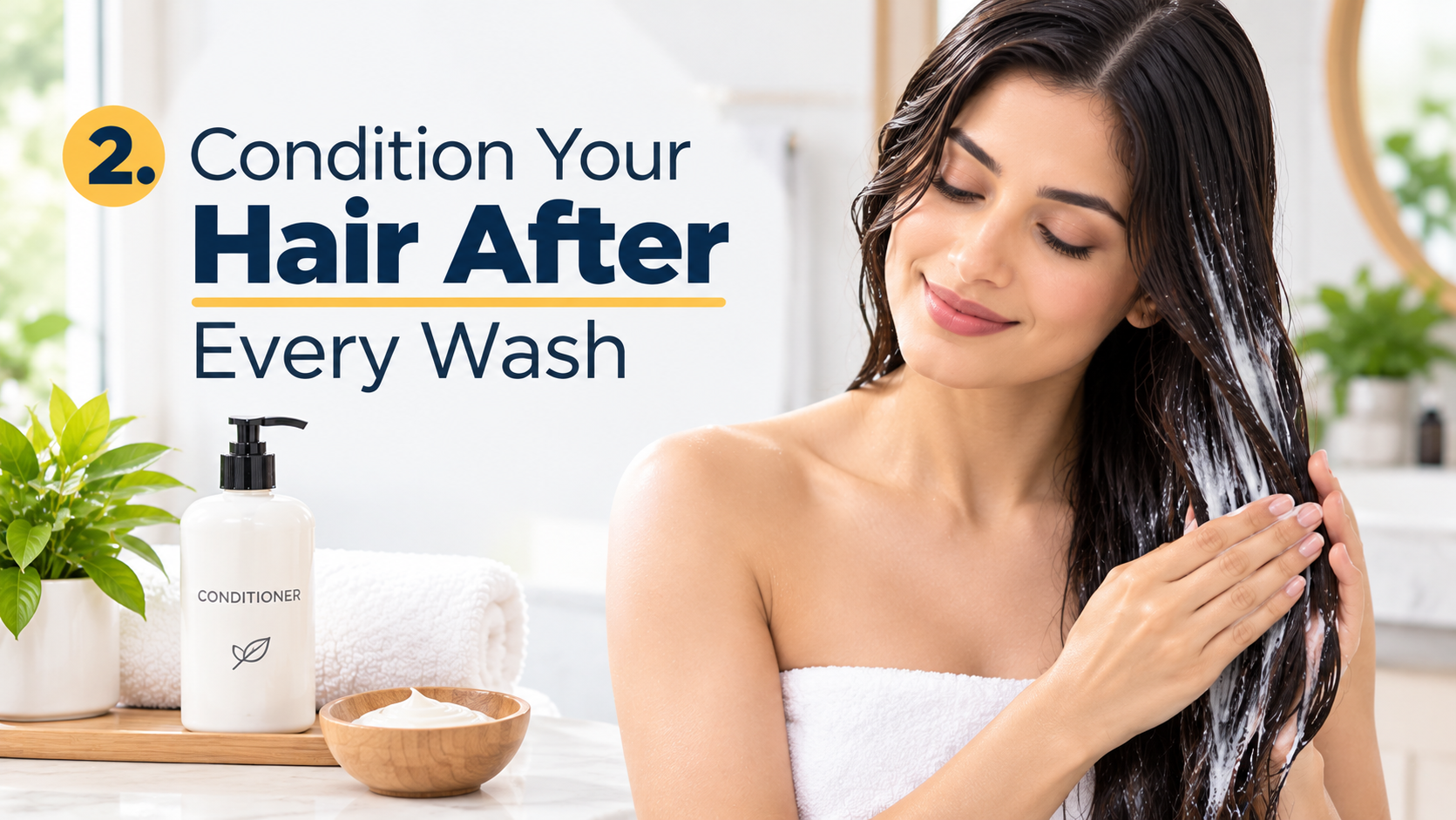
Conditioner helps smooth the hair surface, reduce tangles and make hair easier to comb. This is particularly important after smoothening, rebonding or colouring.
Apply conditioner to the mid-lengths and ends of your hair. Leave it on for the recommended time and rinse thoroughly.
Regular conditioning can help improve softness and reduce friction-related breakage.
3. Apply a Hair Mask for Dry and Damaged Hair
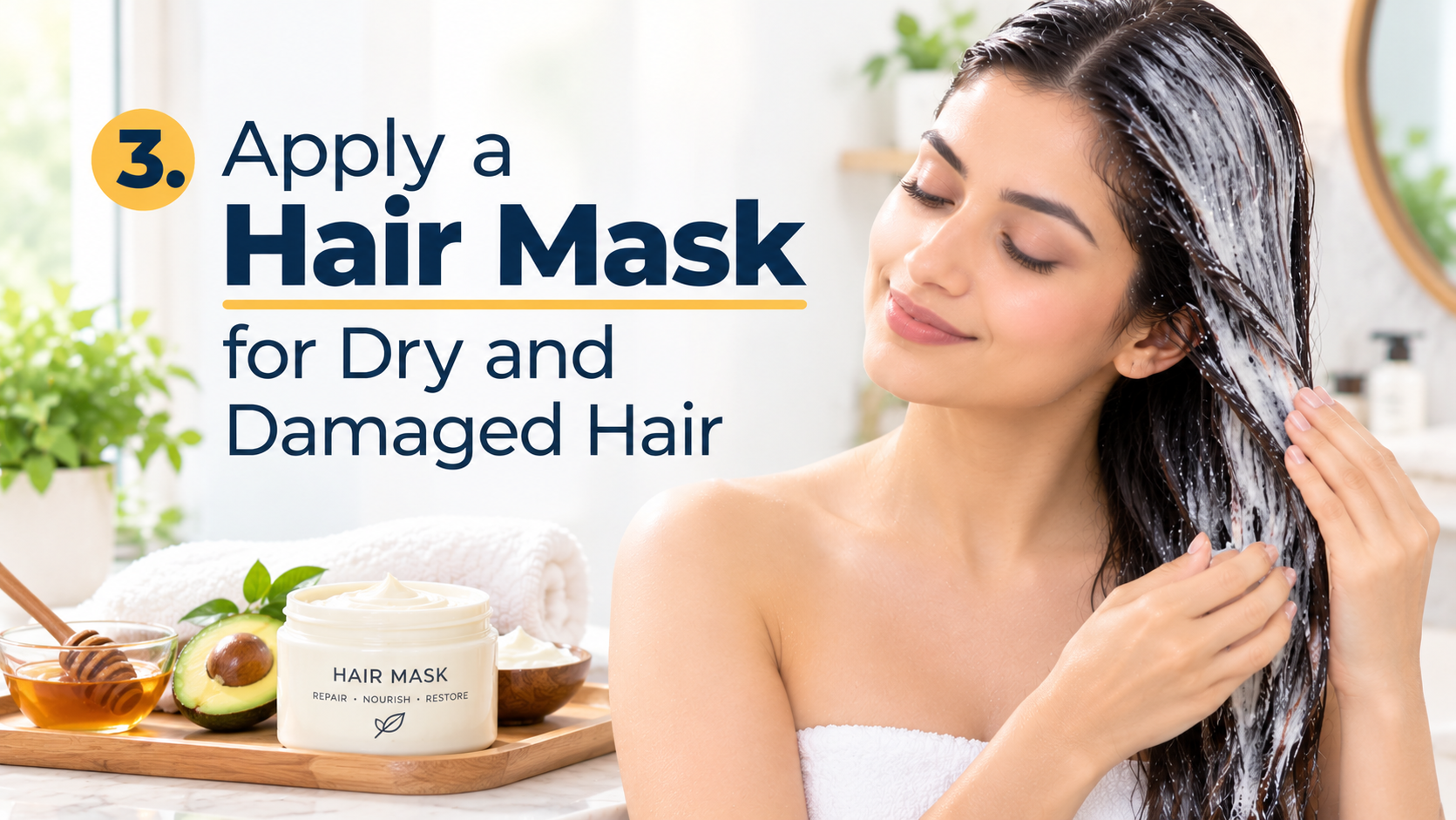
If your hair feels dry or rough after chemical treatment, include a nourishing hair mask in your weekly routine.
Look for a moisturising formula designed for dry or chemically treated hair. Depending on your hair’s condition, a bond-repair product may also help improve manageability and reduce breakage.
Use the product as directed and avoid assuming that a hair mask can completely reverse chemical damage.
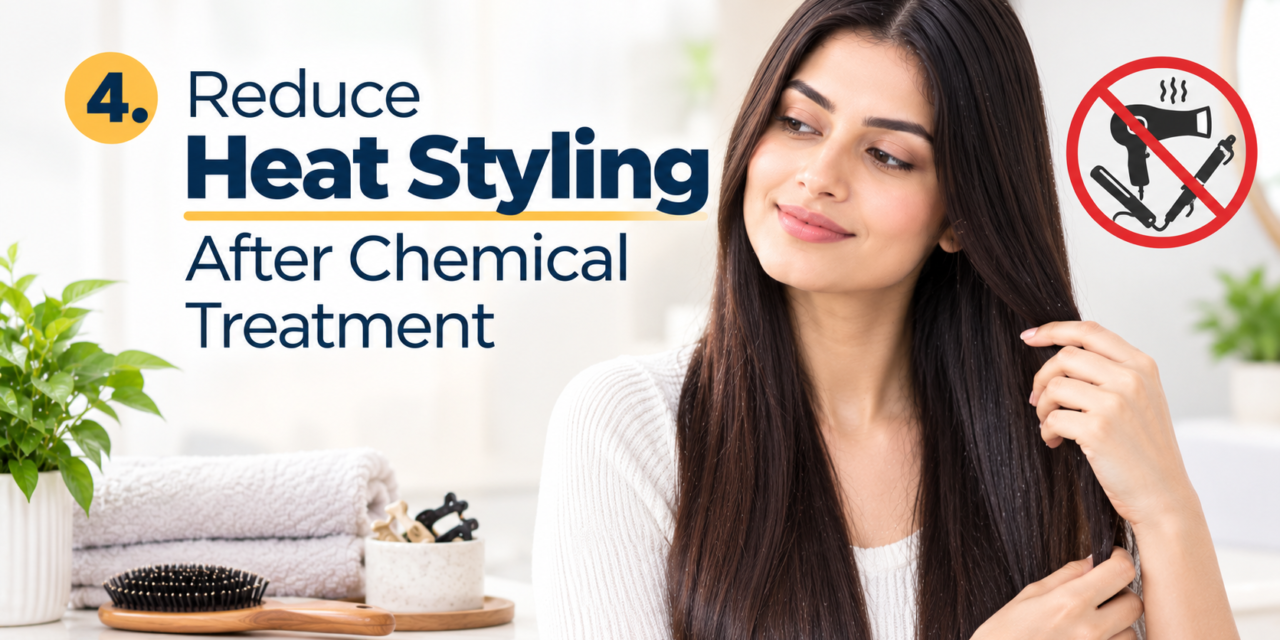
4. Reduce Heat Styling After Chemical Treatment
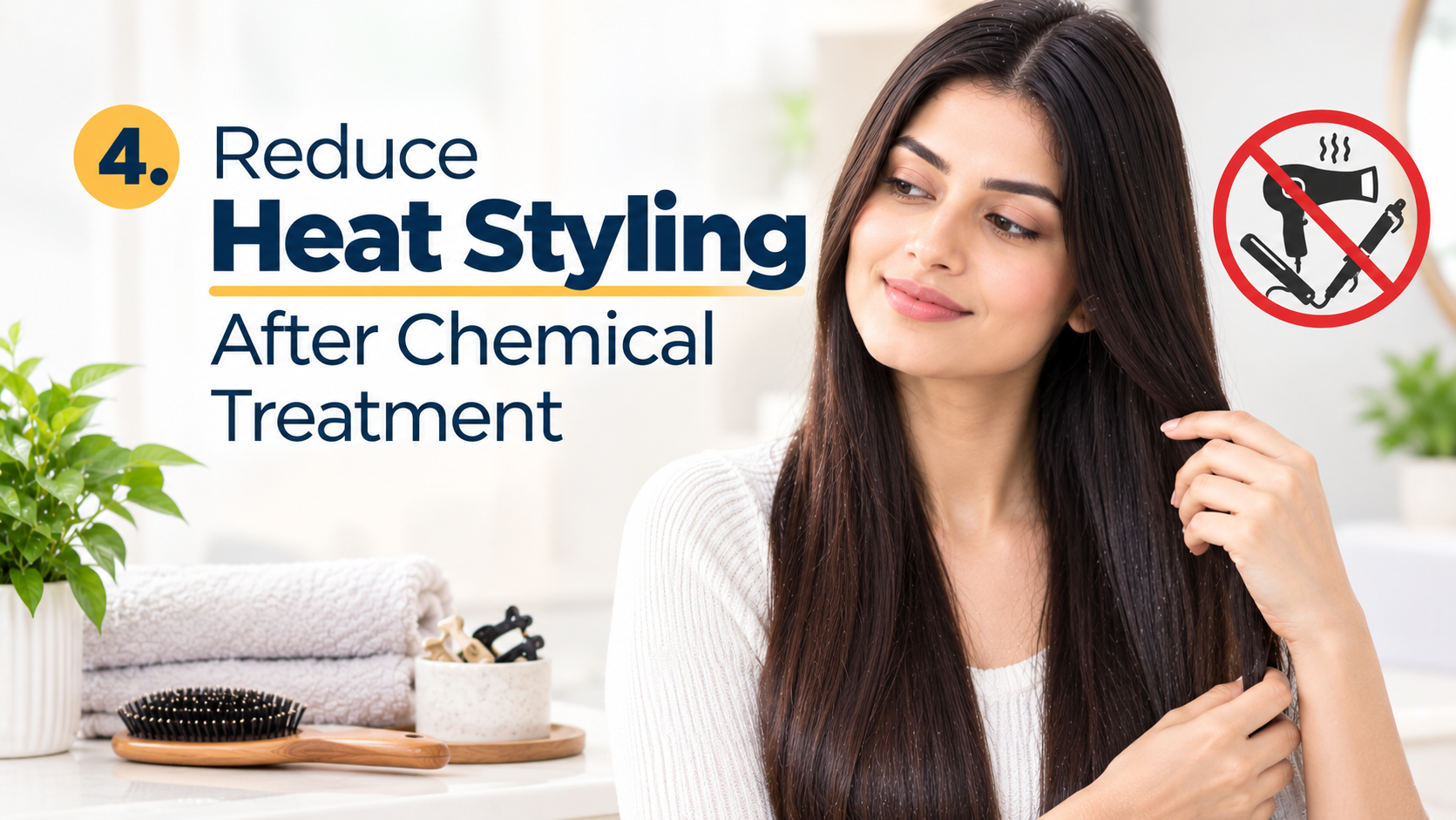
Excessive heat from straighteners, curling irons and blow-dryers can cause additional damage to fragile hair.
To protect chemically treated hair:
- Limit frequent straightening and curling.
- Apply a heat protectant before heat styling.
- Use lower heat settings whenever possible.
- Allow hair to air-dry when practical.
- Avoid repeatedly styling the same section.
Reducing heat exposure can help preserve the appearance and condition of your hair.
5. Use Hair Serum to Control Frizz
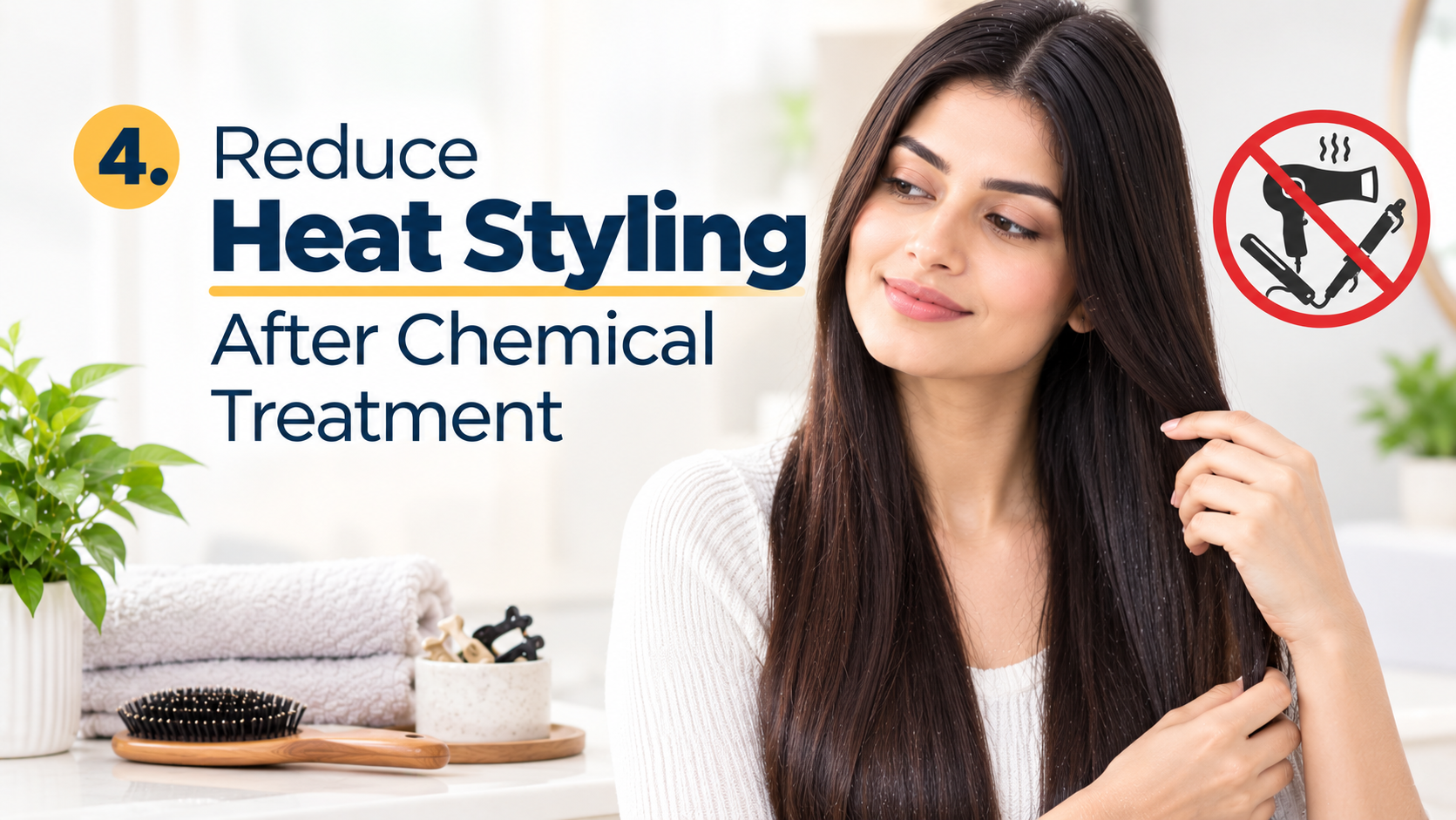
Hair serum can help improve shine, smoothness and frizz control. Apply a small amount to the lengths and ends, following the product instructions.
If your hair becomes greasy easily, avoid applying heavy products directly to the scalp.
For best results, combine serum with a consistent routine that includes gentle shampooing, conditioning and suitable moisturising treatments.
6. Follow the Correct Aftercare Routine for Your Treatment
Different treatments require different aftercare instructions.
For example, keratin treatments, hair smoothening, rebonding and hair colouring may have different recommendations for washing, styling and maintenance.
Ask your stylist when you can wash your hair and which products are appropriate for your particular treatment. Avoid repeating chemical services too soon, especially if your hair is already damaged.
7. Protect Your Hair from Breakage
Chemically treated hair may be more vulnerable to breakage, so handle it gently.
Use a wide-tooth comb to detangle your hair, starting at the ends and working upwards. Avoid vigorous towel rubbing and tight hairstyles that place excessive tension on the strands.
Regular trims can help remove split ends and keep your hairstyle looking neat.
Frequently Asked Questions
How often should I wash chemically treated hair?
The ideal frequency depends on your scalp, hair type and treatment. Wash when needed using a suitable shampoo and follow any specific aftercare instructions from your stylist.
Which shampoo is best after chemical treatment?
A gentle shampoo formulated for your hair type and compatible with your treatment is a good starting point. Sulphate-free formulas may be appropriate for some treatments, but they are not essential for everyone.
Can I apply oil after hair smoothening or keratin treatment?
This depends on your specific treatment and the products used. Ask your stylist which oils or leave-in products are suitable, and avoid heavy application if it causes buildup.
How can I reduce frizz after chemical treatment?
Use conditioner regularly, apply a suitable leave-in product or serum, reduce excessive heat styling and detangle gently. If the frizz is accompanied by severe breakage, seek professional advice.
Conclusion
Maintaining chemically treated hair requires the right products, gentle handling and consistent aftercare. Using a suitable shampoo, conditioning after every wash, applying a nourishing hair mask and limiting excessive heat can help keep your hair smooth, manageable and healthy-looking.
For more beauty advice and hair care tips, explore the Hera Grace website and discover routines that suit your hair’s individual needs.