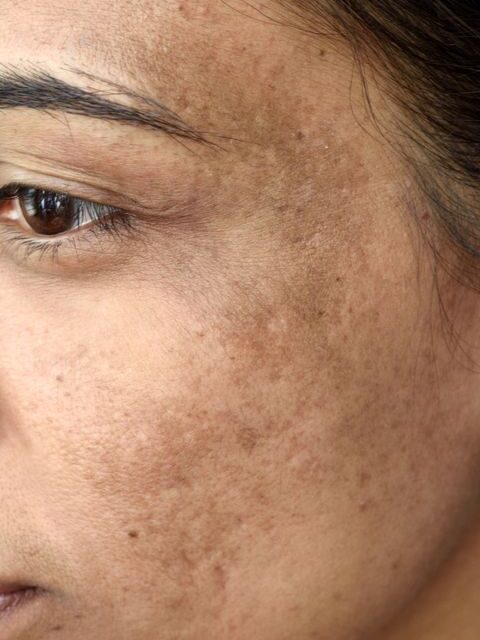
Pigmentation is one of the most common skincare concerns, affecting people of all skin types. Whether it’s caused by sun exposure, acne scars, hormonal changes, or aging, uneven skin tone can impact your confidence. The good news is that with the right skincare routine, healthy lifestyle habits, and natural remedies, you can gradually reduce pigmentation and achieve brighter, healthier-looking skin.
In this guide, we’ll explore what pigmentation is, what causes it, and the best natural ways to fade dark spots safely.
What Is Skin Pigmentation?
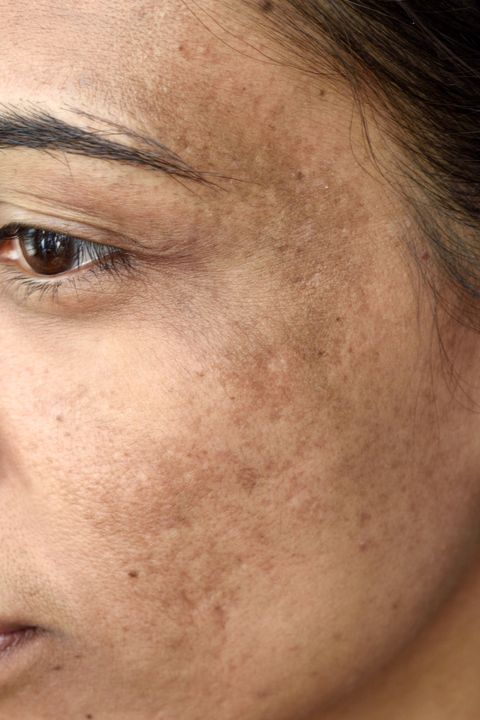
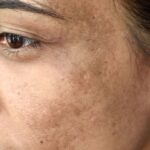
Skin pigmentation refers to the color of your skin, which is determined by a natural pigment called melanin. When your skin produces excess melanin in certain areas, it can lead to dark patches or spots known as hyperpigmentation.
Pigmentation can appear on the face, neck, hands, or other parts of the body that are frequently exposed to the sun.
Common Causes of Pigmentation
Several factors can contribute to pigmentation, including:
- Sun Exposure: UV rays stimulate melanin production, leading to sunspots and uneven skin tone.
- Post-Inflammatory Hyperpigmentation (PIH): Dark marks left behind after acne, cuts, burns, or skin irritation.
- Hormonal Changes: Pregnancy, birth control pills, and hormonal imbalances can trigger melasma.
- Aging: Over time, prolonged sun exposure can cause age spots.
- Skin Injuries: Scratching, picking pimples, or inflammation can leave lasting marks.
Understanding the cause of your pigmentation helps you choose the most effective treatment.
Signs of Hyperpigmentation
You may have pigmentation if you notice:
- Brown, black, or gray patches on the skin
- Acne marks that linger after breakouts heal
- Uneven skin tone
- Sunspots on the face, shoulders, or hands
- Dark patches that become more noticeable after sun exposure
How to Reduce Pigmentation Naturally
1. Wear Sunscreen Every Day
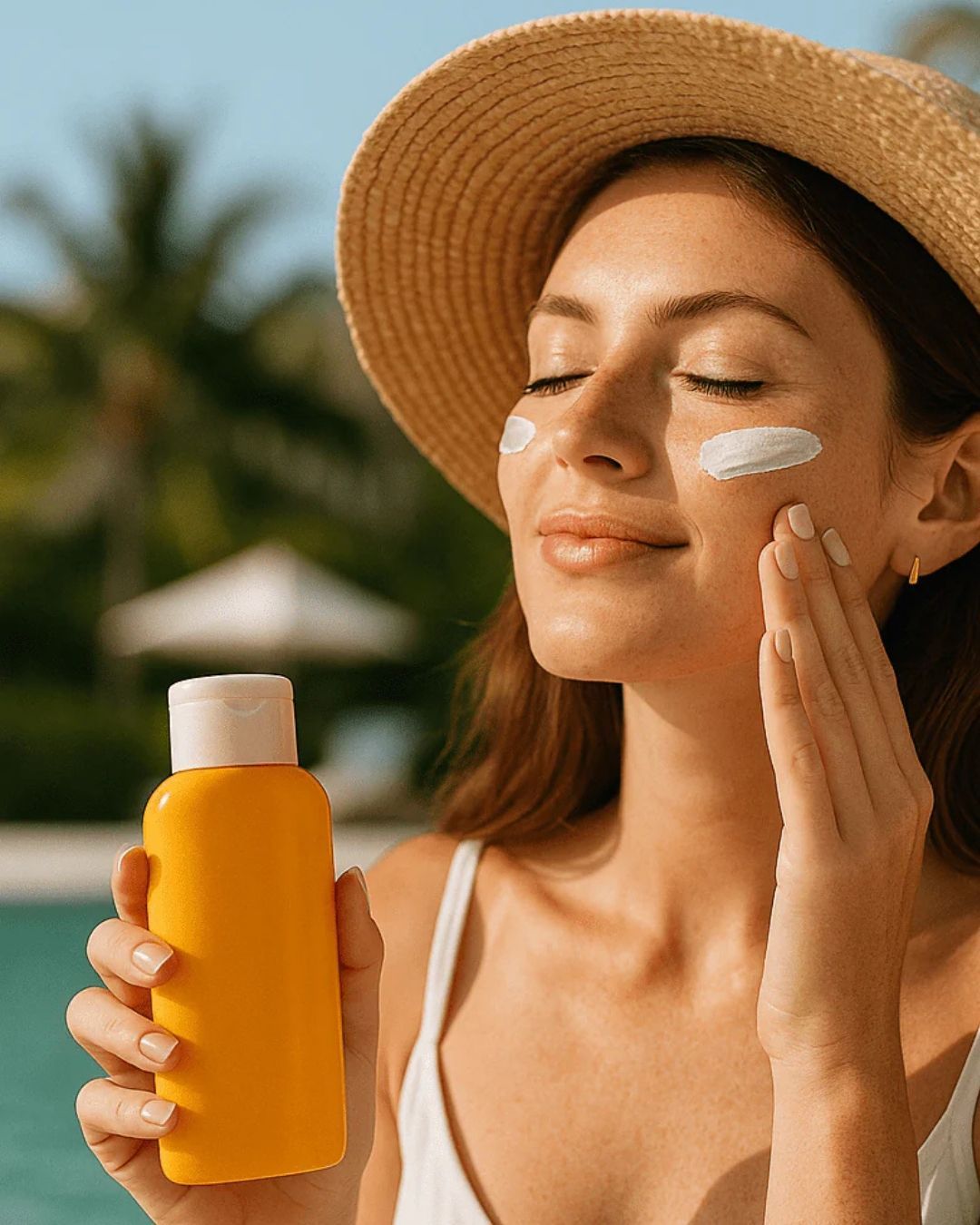
Daily sun protection is the most important step in preventing pigmentation from worsening. Use a broad-spectrum sunscreen with SPF 30 or higher, even on cloudy days, and reapply every two hours when outdoors.
2. Add Vitamin C to Your Routine
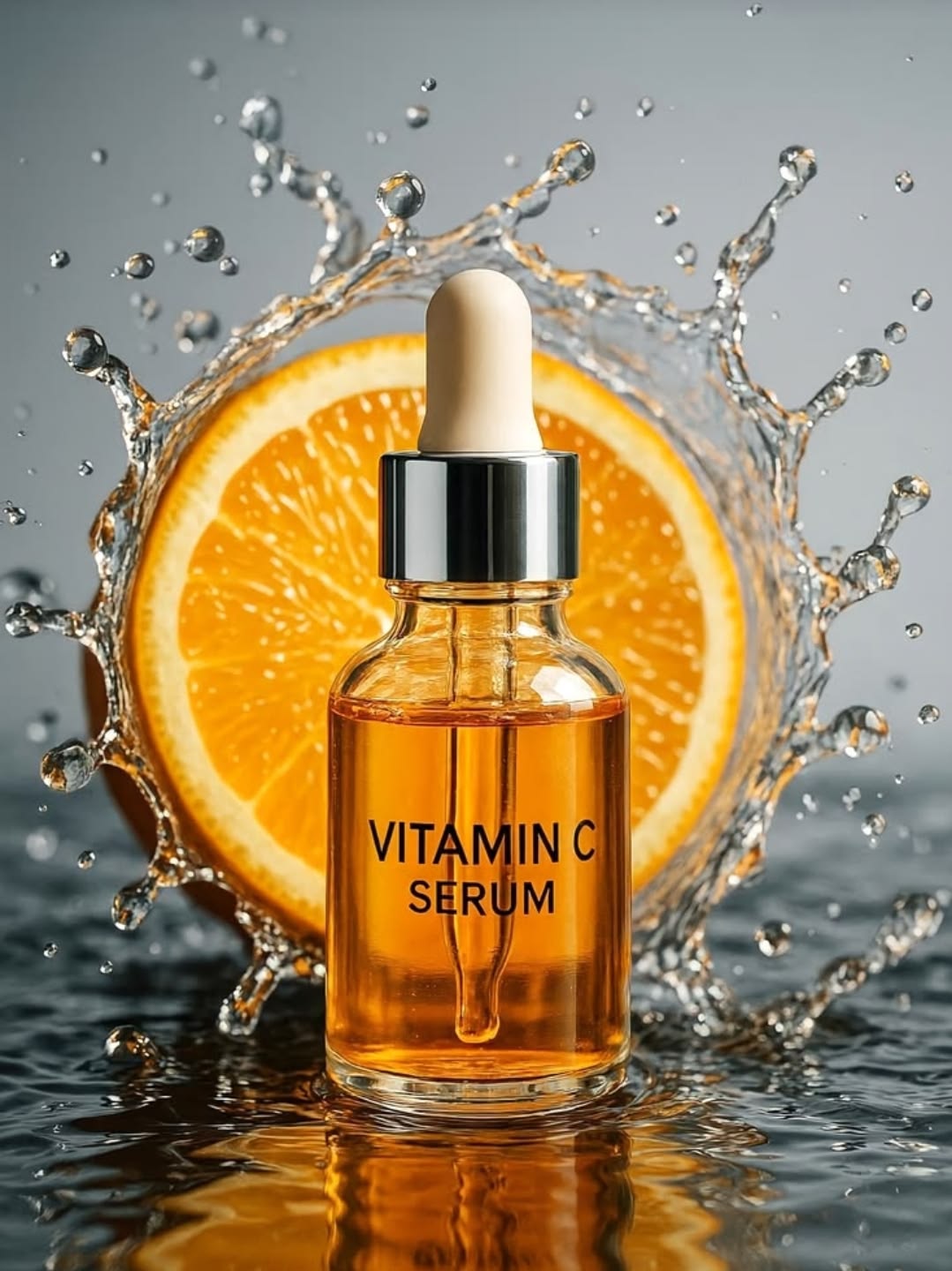
Vitamin C is a powerful antioxidant that helps brighten the skin, reduce dark spots, and protect against environmental damage. Apply a Vitamin C serum in the morning before sunscreen for the best results.
3. Use Niacinamide
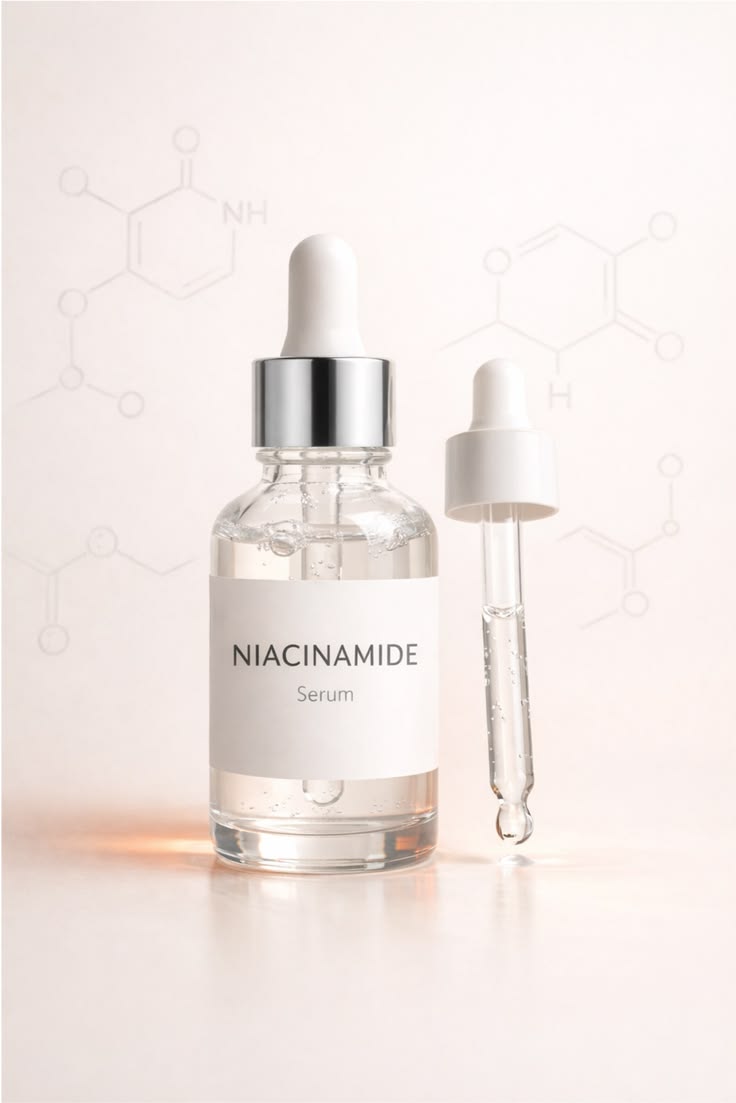
Niacinamide helps reduce excess melanin transfer, improves skin texture, and strengthens the skin barrier. It is suitable for most skin types and works well alongside other brightening ingredients.
4. Exfoliate Gently
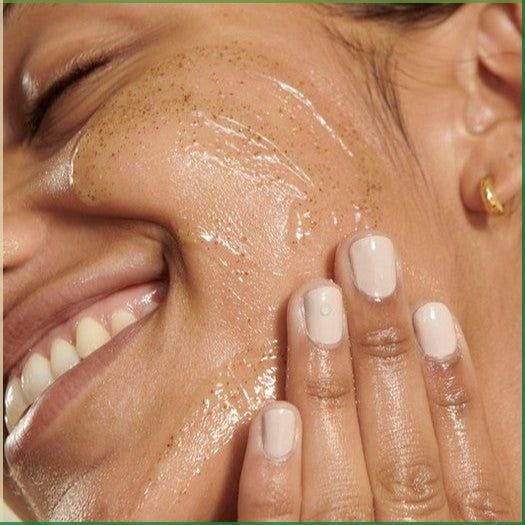
Regular exfoliation helps remove dead skin cells, allowing fresh, healthy skin to surface. Use a gentle chemical exfoliant, such as lactic acid or mandelic acid, once or twice a week to avoid irritation.
5. Keep Your Skin Hydrated
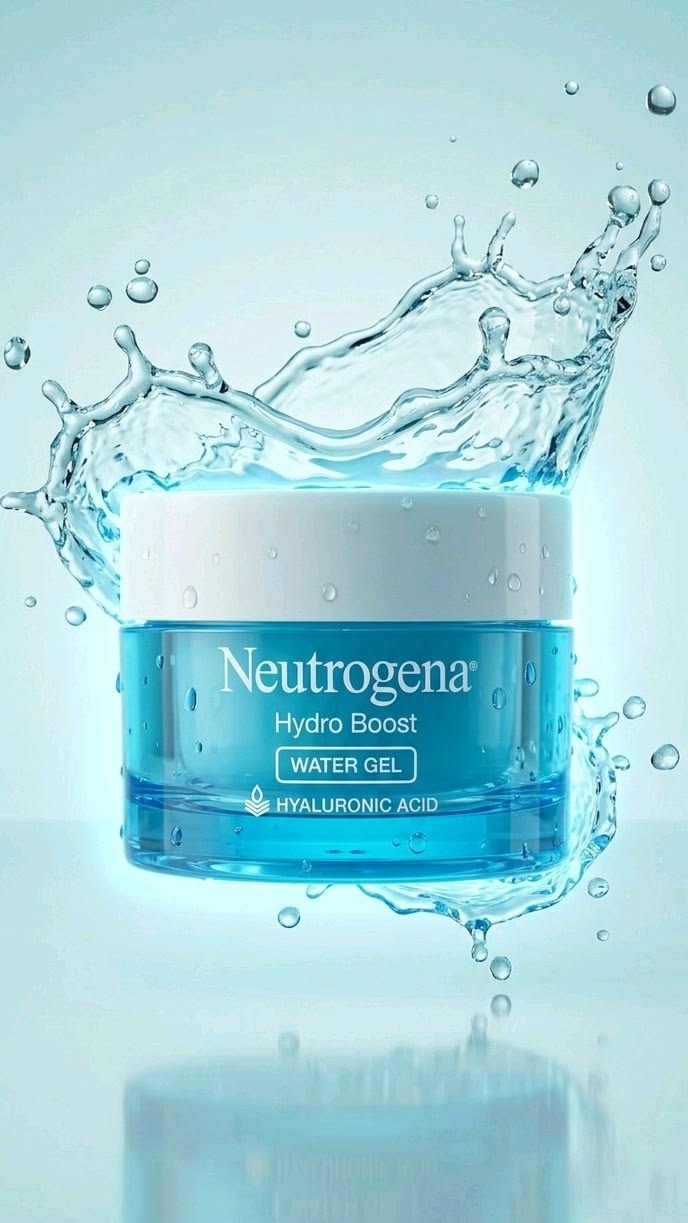
Well-hydrated skin heals more efficiently and looks healthier. Use a lightweight moisturizer with ingredients like hyaluronic acid, glycerin, or ceramides to maintain your skin’s moisture barrier.
Natural Remedies That May Help
Some natural ingredients may help improve the appearance of pigmentation when used consistently.
Aloe Vera
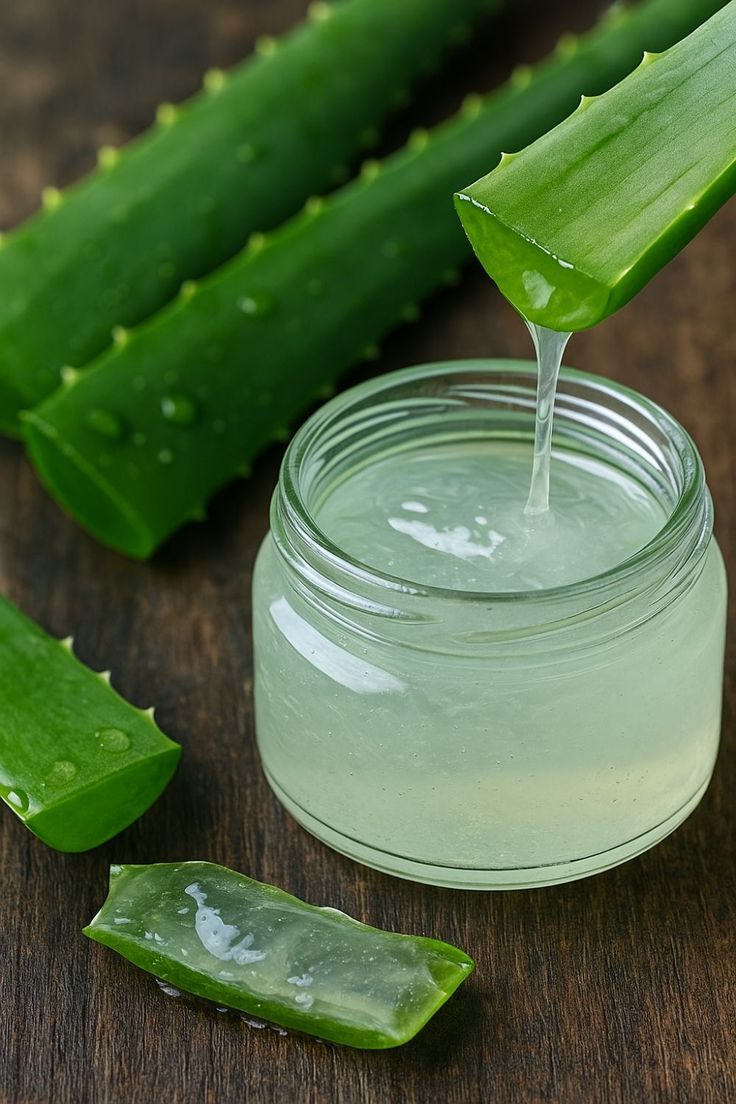
Aloe vera contains compounds that soothe the skin and may support a more even complexion.
Turmeric

Known for its anti-inflammatory and antioxidant properties, turmeric is commonly used in DIY face masks to promote brighter-looking skin.
Green Tea Extract
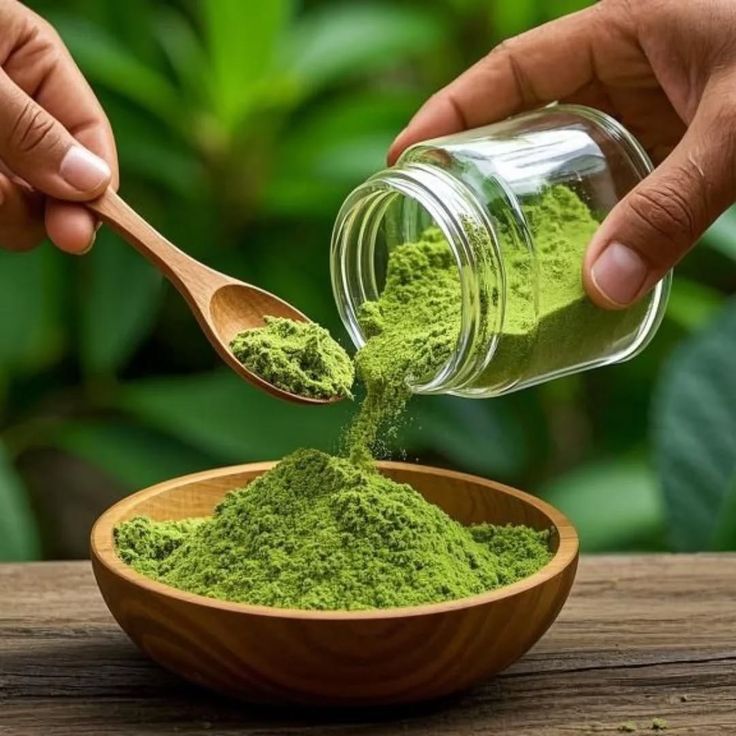
Rich in antioxidants, green tea helps protect the skin from environmental damage and supports a healthy complexion.
Licorice Root Extract

Licorice root is a popular natural skincare ingredient that helps reduce the appearance of dark spots and uneven skin tone.
Note: Always perform a patch test before using natural ingredients, especially if you have sensitive skin.
Foods That Support Healthy Skin
A balanced diet can contribute to healthier skin from within. Include foods rich in:
- Vitamin C (oranges, strawberries, kiwi)
- Vitamin E (almonds, sunflower seeds)
- Beta-carotene (carrots, sweet potatoes)
- Omega-3 fatty acids (salmon, walnuts, flaxseeds)
- Antioxidants (berries, spinach, tomatoes)
Drinking enough water throughout the day also supports overall skin health.
Habits That Can Make Pigmentation Worse
Avoid these common mistakes:
- Skipping sunscreen
- Picking or squeezing pimples
- Over-exfoliating
- Using harsh skincare products
- Spending long hours in direct sunlight without protection
Protecting your skin from further damage is essential for preventing new pigmentation.
When Should You See a Dermatologist?
If your pigmentation is severe, spreading, painful, or doesn’t improve after several months of consistent skincare, it’s best to consult a dermatologist. They can recommend professional treatments such as chemical peels, prescription creams, laser therapy, or microneedling, depending on your skin’s needs.
Final Thoughts
Reducing pigmentation naturally takes time, consistency, and patience. A combination of daily sunscreen, brightening skincare ingredients, gentle exfoliation, hydration, and healthy lifestyle habits can gradually improve your skin’s appearance.
Remember, every skin type is different, and results won’t happen overnight. Focus on caring for your skin consistently, and over time you’ll notice a brighter, smoother, and more even complexion.